Le Petit Ballon packaging
Le Petit Ballon delivers curated wine selections directly to consumers via a subscription-based model. Their packaging strategy centers on secure, branded carton and corrugated box solutions tailored for both retail and shipping contexts, emphasizing protection and a distinct unboxing experience.
Packaging Portfolio
Le Petit Ballon's packaging portfolio demonstrates a balanced integration of custom corrugated shipping boxes and visually distinctive carton packaging. The use of single-layer paperboard for retail cartons and robust, fluted corrugated cardboard for shipping ensures both shelf appeal and effective bottle protection in transit. Structural designs include tuck-top closures, divided interiors, and themed graphics, optimizing both logistics safety and consumer engagement. While most boxes feature strong brand alignment through color, typography, and iconography, some generic unbranded solutions indicate selective cost management across SKUs.
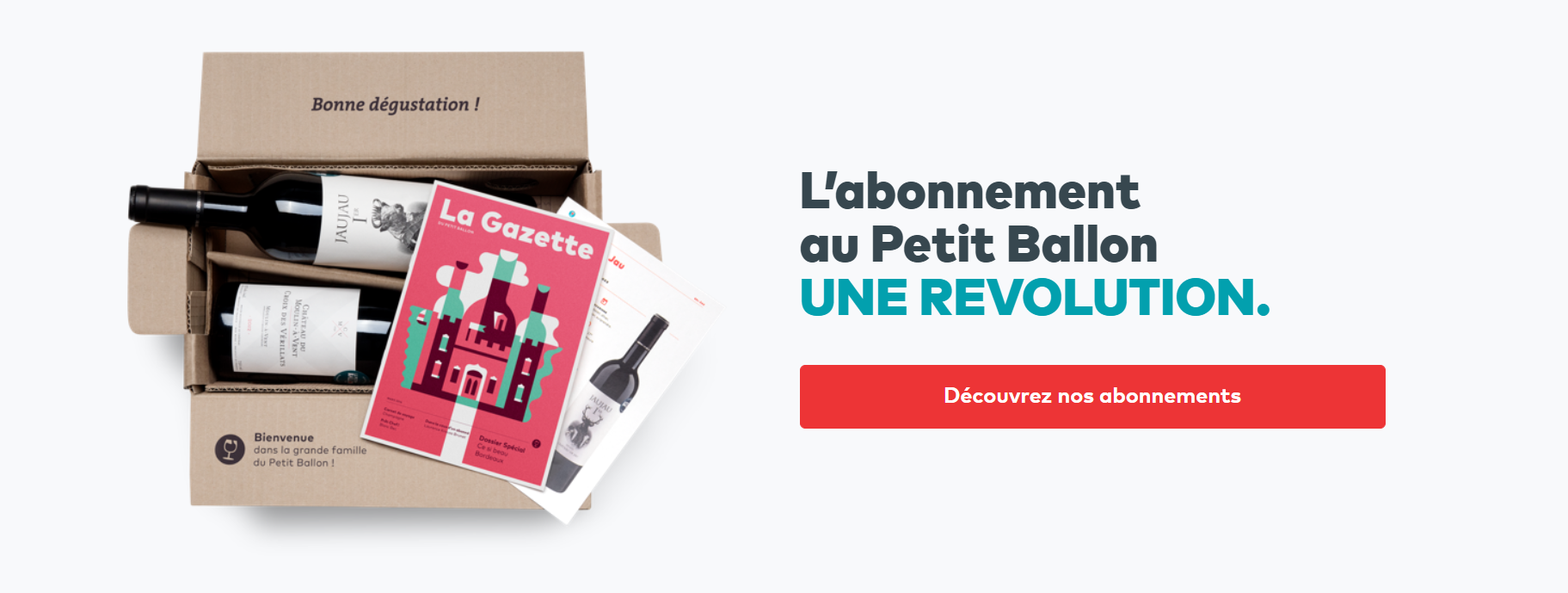
The packaging is a corrugated box with a visible fluted inner layer, indicating its sturdy construction suitable for shipping. The box is primarily brown kraft in color, with printed graphics on the exterior. The edges are slightly worn, suggesting handling during transit. The box features a top flap that is tucked in, typical for shipping boxes, and there are no visible signs of additional tape or labels.

The packaging is a folding carton made of single-layer paperboard. It features a smooth, flat construction with clean edges and folds. The exterior is predominantly white with colorful graphics, including a blue top panel. The design includes playful illustrations and text that highlight the product's theme. The carton has a lightweight appearance, typical of retail packaging.

The packaging consists of a rectangular carton box made from a single layer of paperboard. The box features a smooth, flat construction with clean edges and folds. It is predominantly brown with colorful graphics and a glossy finish. The front displays a vibrant design with illustrations and text, while the sides are more subdued. The box has a tuck-top closure and no visible flaps or handles. The overall shape is a standard rectangular prism, designed to hold three wine bottles securely.

The packaging is a sturdy, brown corrugated box with visible fluted edges when viewed from the side. It features a square shape designed to hold multiple wine bottles securely. The box has a vibrant blue graphic design on the front, with the text 'GRAND PAQUET' prominently displayed. Various logos and icons are printed around the box, giving it a festive and branded appearance. The flaps are cut to allow for easy opening and closing, and there are no visible signs of wear or damage.

The packaging is a sturdy, brown corrugated box designed to hold two wine bottles securely. The box features visible corrugated edges when viewed from the side, indicating its layered construction. The fluted inner layer provides strength for shipping. The exterior is printed with colorful graphics and branding elements, while the interior is designed to cradle the bottles with inserts. The box has a clean, rectangular shape with flaps that close securely.
About the Brand
Le Petit Ballon provides a direct-to-consumer wine subscription service, specializing in exclusive wine selections not found in supermarkets. The company's packaging approach integrates robust corrugated shipping boxes and visually engaging retail cartons to balance logistics safety with memorable brand presentation.
Founded in Paris in 2011, Le Petit Ballon leverages a flexible subscription model to serve discerning wine enthusiasts. Their packaging solutions are both functional and brand-forward, utilizing customized graphics, color palettes, and protective inserts designed to reinforce product integrity and elevate the customer experience from delivery through unboxing.
Key Differentiator: Le Petit Ballon differentiates itself through curated, expert-selected wine offerings coupled with creatively branded, structurally protective packaging tailored specifically for the wine e-commerce segment.
Design System
Visual Style
Typography is playful and modern, employing sans-serif fonts with variable weights for emphasis. The color palette prioritizes vibrant blues, reds, and whites, supporting a lively, contemporary aesthetic with high visual contrast. Illustrative graphics and thematic icons reinforce a whimsical, approachable wine culture.
Brand Identity
Brand elements include consistent use of the Le Petit Ballon logo, stylized product names, and playful iconography. Packaging maintains high visual consistency through repeated color motifs, layout principles, and illustration styles, fostering strong brand recall.
Packaging Design
Material choices favor recyclable corrugated cardboard for shipping and coated carton board for retail presentation. Structural design emphasizes bottle security, with dividers and snug fitments, while external graphics reinforce the curated, premium positioning of the brand.
User Experience
The packaging is engineered to deliver a cohesive journey from delivery through unboxing, combining protective inserts with engaging visual storytelling. This approach heightens anticipation, clarifies product curation, and aligns brand promise with tangible customer touchpoints.
Company Metrics
Business insights for Le Petit Ballon based on available data
Market Positioning
Brand Values & Focus
Key Competitors
Target Market: Wine enthusiasts in France and neighboring European markets seeking exclusive curated wine experiences via direct-to-consumer subscriptions.
Packaging Assessment
Overall Grade
Visual appeal and presentation quality
Packaging durability and protection
Eco-friendliness and recyclable materials
Cost efficiency and value for money
Packaging assessment for Le Petit Ballon based on industry standards and best practices
Frequently Asked Questions
What types of packaging does Le Petit Ballon use for shipping wine?
Le Petit Ballon primarily utilizes custom corrugated boxes and retail cartons engineered for wine bottle protection, featuring branded graphics and internal inserts to secure bottles during transit.
How does Le Petit Ballon's packaging contribute to the unboxing experience?
The packaging integrates vibrant designs, clear brand elements, and thematic illustrations, ensuring a visually appealing and emotionally engaging unboxing while maintaining product safety.
Is the packaging used by Le Petit Ballon environmentally friendly?
Most packaging is composed of recyclable corrugated cardboard and carton board, with a moderate emphasis on eco-friendliness; however, some generic, unbranded boxes suggest room for further sustainability improvements.
Discover other Food & Drink companies
Explore more companies in the food & drink industry and their packaging strategies
ruf lebensmittelwerk kg
Food & Drink
RUF Lebensmittelwerk KG is a German food production company specializing in a variety of baking mixes and drink products. Founded in 1920, the company is known for its high-quality ingredients and innovative food solutions.
Thés de la Pagode
Food & Drink
Thés de la Pagode is a French company specializing in organic teas and infusions, focusing on health and well-being. Established in 1987, they prioritize sustainable practices and high-quality ingredients sourced through fair trade.
Terres de Café
Food & Drink
Terres de Café is a specialty coffee retailer based in Paris, France, known for its commitment to sustainability and high-quality coffee sourcing.