FitFlop packaging
FitFlop is a footwear brand specializing in comfortable, ergonomically designed sandals, flats, and sneakers, with a direct-to-consumer business model. Their packaging strategy utilizes branded carton and corrugated boxes, focusing on retail-ready presentation and safe product transport.
Packaging Portfolio
FitFlop's packaging portfolio is dominated by rigid carton boxes for retail and corrugated boxes for shipping, both constructed from recyclable paper substrates. The retail cartons feature prominent brand logos in bold red on kraft backgrounds, ensuring high shelf visibility and strong brand association. Interior packaging elements such as crumpled tissue paper provide basic cushioning and product presentation, while retail display cards are used for smaller accessories. The portfolio demonstrates a functional approach with an emphasis on structural simplicity, cost control, and consistent brand messaging.
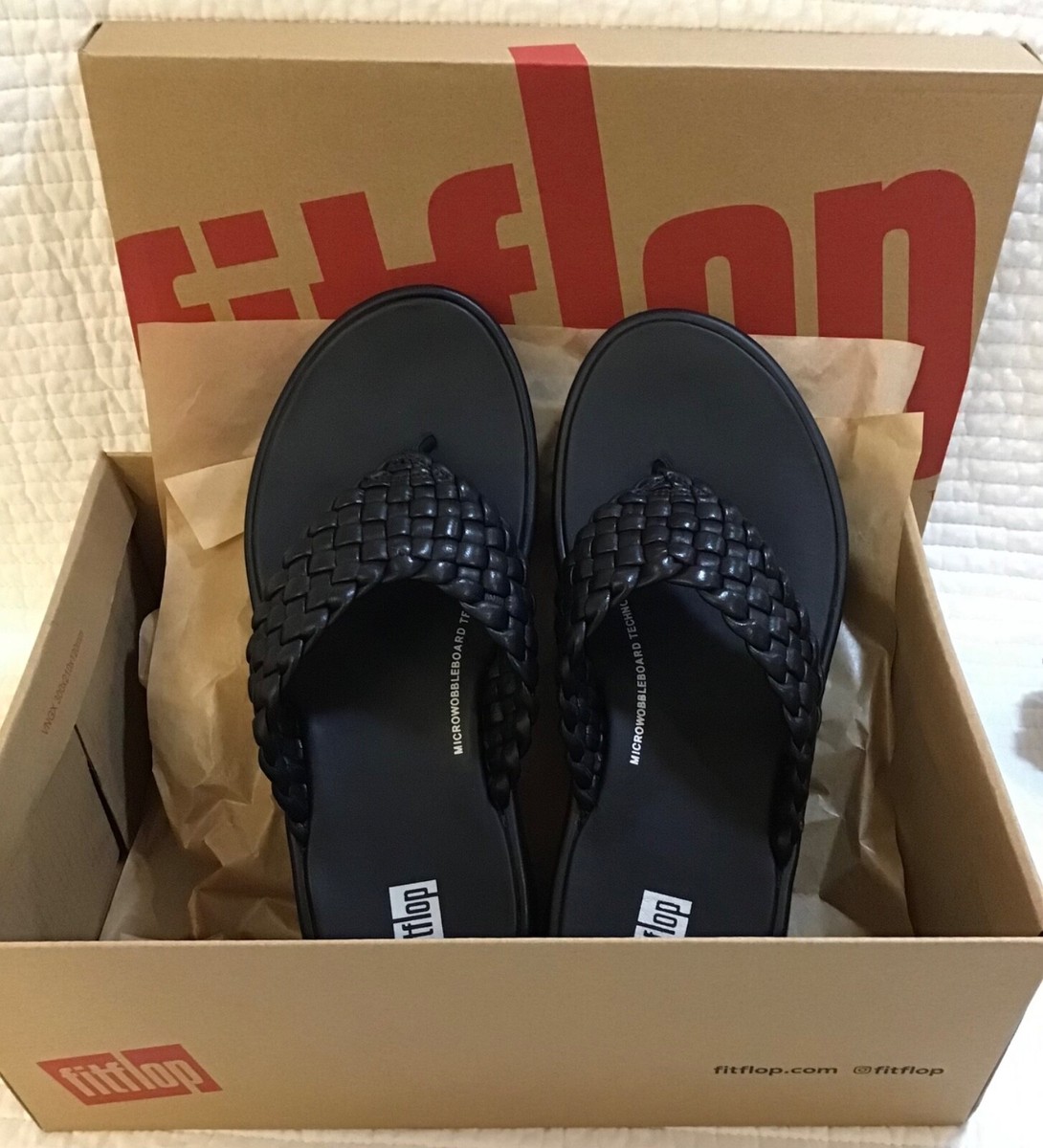
The packaging is a folding carton made of single-layer paperboard, featuring a smooth, flat construction with clean edges. The exterior is primarily a light kraft color with bold red branding elements. The box is designed to hold a pair of sandals, with a snug fit for the product. Inside, the shoes are placed on a layer of crumpled tissue paper for protection. The box has a rectangular shape with a lid that folds down over the sides, creating a secure closure.
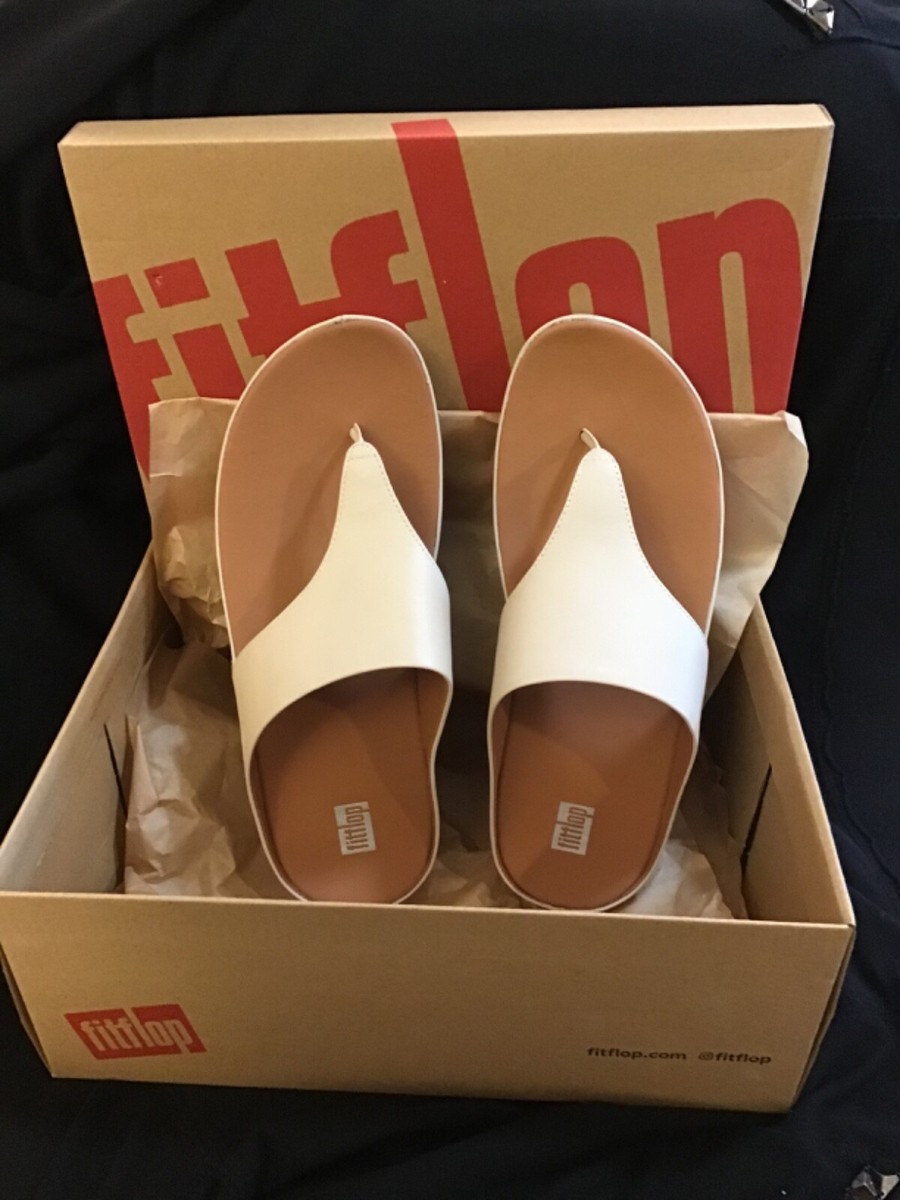
The packaging is a folding carton box made of single-layer paperboard. It has a smooth, flat construction with clean edges and folds. The exterior is predominantly a light brown color with the brand name 'fitflop' prominently displayed in red on the sides. The box is open at the top, revealing the contents inside, which are a pair of white flip-flops resting on crumpled brown tissue paper. The interior of the box is unprinted and provides a simple backdrop for the product.

The packaging is a corrugated box with visible fluted layers when viewed from the side. The box is primarily brown/kraft colored, indicating a typical shipping box appearance. It has a sturdy construction suitable for shipping footwear, with signs of handling such as slight crushing on the edges. The box features a smooth outer surface with printed branding elements.

The packaging is a folding carton box made of single-layer paperboard, featuring a smooth, flat construction. The box is primarily kraft brown in color with the brand name 'fitflop' prominently displayed in a bold red font on the front and sides. The edges are clean and precise, indicating a well-constructed design. The box is open at the top, revealing the shoes inside, which are cushioned with crumpled paper for protection.
The packaging is a flat, single-layer paperboard card designed to display charms for sandals. It features a smooth, white surface with printed graphics and text. The card is rectangular with clean edges and folds, designed to hold the charms securely. The overall appearance is lightweight and retail-friendly, suitable for hanging displays.
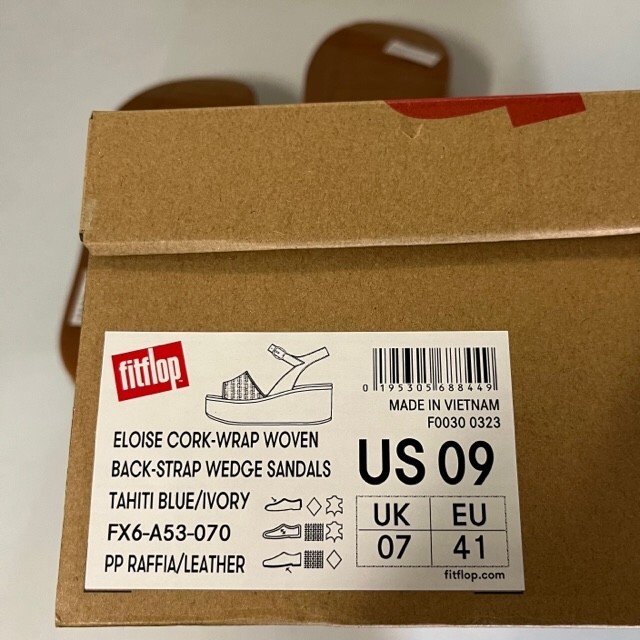
The packaging is a flat, rectangular box made of single-layer paperboard. It has clean, precise edges and folds, typical of retail packaging. The exterior is a kraft brown color, which is common for carton boxes, and it features a label on the top with product information. The box appears to be lightweight and has no visible fluted layers, indicating it is not corrugated. The surface is smooth with no glossy or matte finish evident.
About the Brand
FitFlop operates in the comfort footwear sector, delivering products that emphasize both functional engineering and contemporary design. Their packaging approach blends retail-focused presentation with protective features suitable for e-commerce and direct shipment. Structural simplicity and brand consistency are prioritized across packaging formats.
The company's packaging solutions are characterized by single-layer paperboard retail cartons, corrugated shipping boxes, and specialized display cards for accessories. Branding is prominently integrated through bold logo placement and consistent color schemes, reinforcing brand recognition throughout the customer journey. While packaging is not highly customized, it meets the functional demands of the footwear industry and supports FitFlop’s emphasis on comfort and style.
Key Differentiator: FitFlop’s packaging approach balances cost efficiency, brand visibility, and product protection, leveraging straightforward structural formats with strong, consistent branding.
Design System
Visual Style
Typography is bold and sans-serif, with a high-contrast color palette focusing on red, white, and kraft brown. The overall aesthetic is modern and straightforward, supporting the brand’s comfort and functionality ethos.
Brand Identity
Logo usage is consistent and prominent, typically appearing in a bold red font against neutral backdrops. Iconography is minimal, with a focus on clean lines and product-centric imagery. Visual consistency is maintained across all packaging formats.
Packaging Design
Materials are predominantly recyclable paperboard and corrugated fiberboard, chosen for cost efficiency, structural integrity, and ease of recycling. The structural design philosophy favors simple, rectangular forms that optimize stacking, transportation, and product protection.
User Experience
Packaging design supports the customer journey by providing straightforward, easy-to-open structures and clear branding that enhances the unboxing experience. The approach balances efficient logistics with a branded retail presentation, aligning with e-commerce best practices and consumer expectations.
Company Metrics
Business insights for FitFlop based on available data
Market Positioning
Brand Values & Focus
Key Competitors
Target Market: Health-conscious and style-driven consumers seeking ergonomic footwear solutions, with a focus on online shoppers and direct-to-consumer retail segments.
Packaging Assessment
Overall Grade
Visual appeal and presentation quality
Packaging durability and protection
Eco-friendliness and recyclable materials
Cost efficiency and value for money
Packaging assessment for FitFlop based on industry standards and best practices
Frequently Asked Questions
What types of materials does FitFlop use for its footwear packaging?
FitFlop primarily uses single-layer paperboard for retail cartons and corrugated cardboard for shipping boxes, supplemented by tissue paper for in-box protection.
How does FitFlop ensure product safety during shipping?
The use of sturdy corrugated boxes and interior cushioning materials, such as crumpled tissue paper, provides impact protection and reduces the risk of damage during transit.
Does FitFlop incorporate sustainable practices in its packaging?
FitFlop’s packaging materials are predominantly recyclable paper-based substrates; however, there is limited evidence of advanced sustainability initiatives beyond standard recyclability.
How is the brand identity reflected in FitFlop’s packaging design?
Brand identity is reinforced through prominent logo placement, consistent color palette usage (notably red and kraft brown), and clear, bold typography on all packaging formats.
Discover other Apparel companies
Explore more companies in the apparel industry and their packaging strategies
ALTI
Apparel
ALTI specializes in unique, handcrafted silver jewelry designed by skilled artisans in Sweden. The company offers a range of customizable options and promotes a tranquil lifestyle through its jewelry collections.
Menswear Online
Apparel
Menswear Online is a UK-based e-commerce retailer specializing in stylish men's clothing and accessories. The company offers a wide selection of premium brands, including Armani Exchange and Lacoste.
Compressport International
Apparel
Compressport International specializes in high-end compression garments and sports accessories designed for athletes. Founded in 2008 and based in Geneva, Switzerland, the company caters to the needs of trail runners, triathletes, and other fitness enthusiasts.