Zaful packaging
Zaful is a global e-commerce fashion retailer specializing in trendy, affordable clothing. Their packaging strategy centers on lightweight, branded poly mailers and transparent ziplock bags, designed for cost-efficient, secure distribution of apparel worldwide.
Packaging Portfolio
Zaful's packaging portfolio is dominated by custom-branded poly mailers and transparent plastic ziplock bags, optimized for lightweight shipping and efficient handling. Poly mailers feature matte and glossy finishes with clear Zaful logos, while ziplock bags offer product visibility and resealability. Structural design emphasizes flexibility and protection for folded garments, supporting high-volume order fulfillment. The consistent use of brand elements across packaging maintains visual identity while prioritizing material minimization and operational efficiency.

The image shows three transparent poly mailer bags containing clothing items. Each bag is sealed and features a black band with the brand name 'ZAFL' printed prominently across the center. The bags are smooth and flexible, with a glossy finish. They appear to be lightweight and are designed for shipping or retail purposes. The bags are neatly arranged with some floral elements in the background, enhancing the aesthetic appeal.
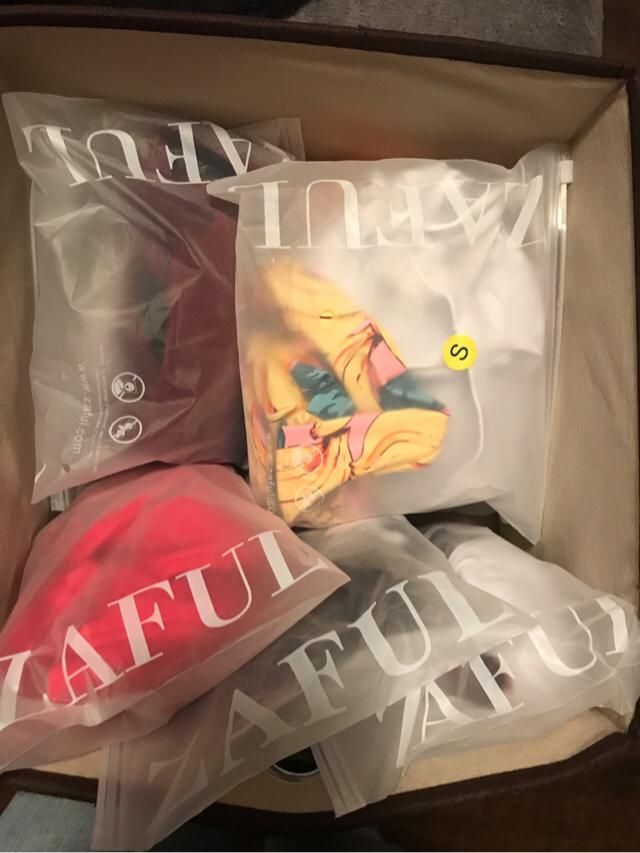
The packaging consists of several transparent plastic ziplock bags, each containing clothing items. The bags are clear, allowing visibility of the contents, and feature a white printed logo that reads 'ZAFUL' prominently across the front. The bags are sealed at the top with a zip closure, making them easy to open and reseal. Each bag appears to be uniformly sized with a rectangular shape, and they are stacked inside a larger container, indicating organized storage.

The packaging consists of several transparent poly mailers, each containing clothing items. The mailers are sealed and feature a black band across the top with the brand name 'ZAFUL' printed in white. The mailers are smooth and slightly glossy, indicating a plastic material. The overall appearance is clean and modern, with no visible wear or damage.

The packaging consists of two poly mailers, each with a smooth, flexible surface. The mailers are opaque, featuring a matte finish that gives them a lightweight appearance. The edges are cleanly sealed, and the mailers have a self-adhesive closure at the top, allowing for easy sealing and opening. The overall shape is rectangular, designed to accommodate clothing items, and they appear to be slightly padded for protection during shipping.
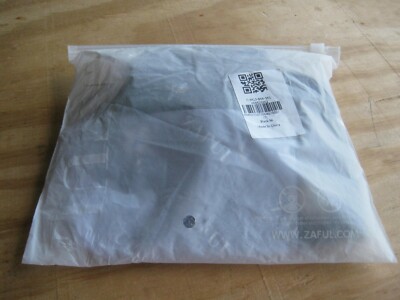
The packaging is a thin, flexible envelope made from a plastic material. It is semi-transparent with a smooth surface and features a peel-and-seal closure. The envelope is slightly crinkled, indicating it has been handled. The front displays a shipping label with a barcode and tracking information. The overall appearance is lightweight and designed for shipping clothing or soft goods.
About the Brand
Zaful operates in the fast-fashion e-commerce segment, targeting budget-conscious consumers with a broad range of contemporary apparel. Packaging is strategically streamlined for efficiency and scalability, using branded poly mailers and polybags to support high-volume international shipping.
The company leverages consistent, logo-centric packaging across its supply chain, prioritizing lightweight materials to reduce shipping costs and improve logistics. While visual brand identity is maintained through prominent logo placement, the overall packaging approach favors function and value over premium presentation. Environmental considerations are present, though traditional plastics remain the predominant material due to cost and durability requirements.
Key Differentiator: Zaful distinguishes itself through cost-optimized, brand-consistent packaging that enables fast, global fulfillment while supporting its value-driven fashion proposition.
Design System
Visual Style
Clean sans-serif typography with high-contrast black-and-white color palette; minimalist aesthetic focused on clarity and modernity.
Brand Identity
Consistent use of the ZAFUL logo in bold lettering; minimal iconography; branding applied directly to packaging surfaces for instant recognition.
Packaging Design
Material choices prioritize lightweight plastics (poly mailers, ziplock bags) for cost and supply chain efficiencies; structural design is utilitarian—rectangular, stackable, and easy to seal.
User Experience
Design supports a frictionless customer journey by enabling fast opening and product identification; branding reinforces trust and recall at multiple touchpoints, though premium tactile or environmental features are limited.
Company Metrics
Business insights for Zaful based on available data
Market Positioning
Brand Values & Focus
Key Competitors
Target Market: Global online shoppers seeking affordable, trendy fashion; primarily Gen Z and Millennials interested in value and variety.
Packaging Assessment
Overall Grade
Visual appeal and presentation quality
Packaging durability and protection
Eco-friendliness and recyclable materials
Cost efficiency and value for money
Packaging assessment for Zaful based on industry standards and best practices
Frequently Asked Questions
What packaging materials does Zaful primarily use?
Zaful predominantly utilizes poly mailers and transparent plastic ziplock bags, both featuring brand elements such as logos and URLs for efficient apparel shipment.
How does Zaful's packaging support its logistics operations?
Lightweight, flexible packaging formats minimize shipping weight and costs while providing sufficient protection for soft goods, aligning with Zaful's global e-commerce logistics requirements.
Is Zaful's packaging environmentally sustainable?
While the packaging is lightweight and minimizes material use, the primary reliance on traditional plastics limits recyclability and overall sustainability performance.
Discover other Apparel companies
Explore more companies in the apparel industry and their packaging strategies
Alexander Shorokhoff
Apparel
Alexander Shorokhoff is a luxury watch manufacturer that specializes in creating unique and artistic timepieces. Their products blend traditional craftsmanship with modern designs, appealing to discerning customers worldwide.
Menswear Online
Apparel
Menswear Online is a UK-based e-commerce retailer specializing in stylish men's clothing and accessories. The company offers a wide selection of premium brands, including Armani Exchange and Lacoste.
Compressport International
Apparel
Compressport International specializes in high-end compression garments and sports accessories designed for athletes. Founded in 2008 and based in Geneva, Switzerland, the company caters to the needs of trail runners, triathletes, and other fitness enthusiasts.