Legoland Bulgaria packaging
Legoland Bulgaria operates as a family-focused attractions destination featuring LEGO-themed experiences, with packaging designed to reinforce brand engagement across merchandise and event offerings. Their approach leverages vibrant, branded materials to align with the playful, educational atmosphere of the park.
Packaging Portfolio
Legoland Bulgaria’s packaging portfolio encompasses transparent plastic bags for small components, custom-printed drawstring bags for events, die-cut activity packs with lanyards, and retail cartons with clear display windows. Predominant materials include flexible plastics and printed paperboard, chosen for their durability and printability. Design emphasis is placed on bright, child-friendly graphics, clear branding, and practical structures that support both retail display and hands-on experience. The approach prioritizes visual impact and brand consistency across diverse product types and touchpoints.
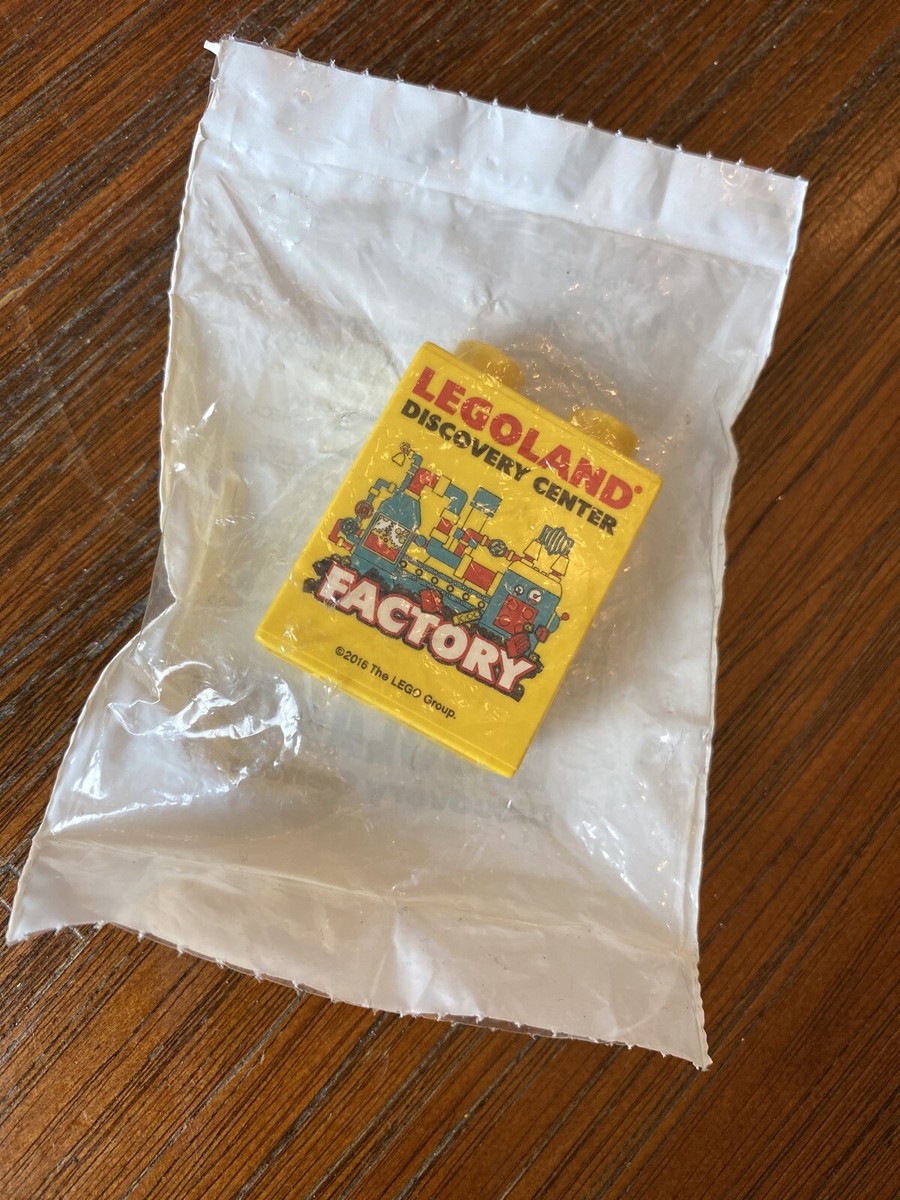
The packaging consists of a clear plastic bag that contains a small box. The bag is sealed at the top and appears to be a lightweight, flexible material. The box inside is yellow with colorful graphics depicting a factory scene, likely related to Legoland. The box has a smooth surface and clean edges, indicating it is made from paperboard.
The packaging is a transparent plastic bag that contains small components. It is sealed at the top and features printed text on one side. The bag is lightweight and flexible, with a smooth surface. The printed information includes product details and branding elements.

The packaging consists of a bright blue drawstring bag featuring a cheerful birthday theme. The bag has a smooth surface with a glossy finish and is adorned with colorful graphics, including the text 'HAPPY BIRTHDAY' in large, playful letters. Various cartoonish elements and the LEGOLAND logo are prominently displayed. The bag is lightweight and designed for carrying multiple items, with drawstrings at the top for closure.
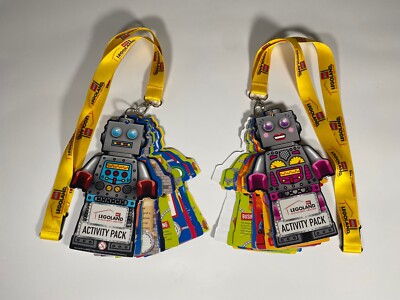
The packaging consists of a collection of colorful, die-cut cards shaped like robots, attached to a bright, branded lanyard. The cards are layered, each featuring different graphics and text. The lanyard is made of a smooth, fabric-like material with repeating logos and colors associated with Legoland. The overall appearance is playful and engaging, suitable for children.
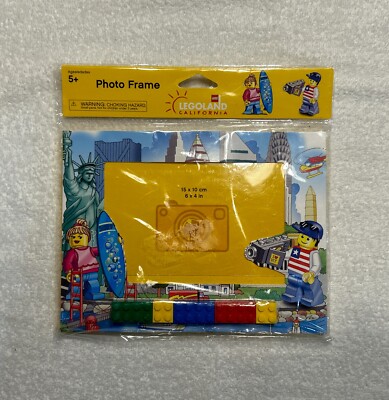
The packaging is a flat, rectangular folding carton with a smooth, glossy finish. It features a clear plastic front that displays the product inside, which is a photo frame. The back and top are made of colorful printed paperboard, showcasing various LEGO-themed graphics, including characters and iconic landmarks. The edges are clean and precise, with a folded construction that allows for easy assembly and display.
About the Brand
Legoland Bulgaria delivers an immersive entertainment experience centered around LEGO themes, targeting children and families through a diverse range of attractions, merchandise, and special events. Packaging plays a key role in extending brand interaction beyond the park, particularly in merchandise and event-related products.
The park utilizes packaging solutions that emphasize visual appeal and brand consistency, often featuring bold colors, playful typography, and prominent LEGO and LEGOLAND logos. Packaging formats range from transparent plastic bags for small components to custom event bags and retail cartons, each tailored to the context of use. This multi-format approach enables effective merchandise presentation and supports memorable guest experiences.
Key Differentiator: Legoland Bulgaria distinguishes itself through strong integration of brand identity in packaging, with designs that reinforce the LEGO experience and cater to both practical and experiential requirements.
Design System
Visual Style
Typography is playful and bold, utilizing sans-serif typefaces with high legibility for children. The color palette is dominated by primary colors—especially yellow, red, and blue—mirroring the LEGO brand. Overall aesthetic is vibrant, energetic, and geared toward a young, family-oriented audience.
Brand Identity
Logo usage is prominent on all packaging, with consistent placement of the LEGOLAND and LEGO trademarks. Iconography includes cartoon characters and LEGO-inspired graphics, ensuring high recognizability. Visual consistency is maintained through repeated use of brand colors, motifs, and standardized graphic elements.
Packaging Design
Material choices favor lightweight plastics and glossy paperboard for durability and print quality. Structural designs accommodate both display and portability, with formats such as flat cartons, drawstring bags, and lanyard packs. The design philosophy balances cost efficiency, protection, and brand storytelling.
User Experience
Packaging is designed to be highly engaging for children, supporting the brand journey from the point of purchase through unboxing and play. Visual cues and tactile elements enhance the perceived value and connect the physical product experience with the overall Legoland visit.
Company Metrics
Business insights for Legoland Bulgaria based on available data
Market Positioning
Brand Values & Focus
Key Competitors
Target Market: Families with children, school groups, and LEGO enthusiasts visiting attractions in Bulgaria and the surrounding region.
Packaging Assessment
Overall Grade
Visual appeal and presentation quality
Packaging durability and protection
Eco-friendliness and recyclable materials
Cost efficiency and value for money
Packaging assessment for Legoland Bulgaria based on industry standards and best practices
Frequently Asked Questions
How does Legoland Bulgaria align packaging with its family and educational brand values?
Legoland Bulgaria’s packaging consistently uses playful graphics, vibrant colors, and LEGO branding to create an engaging experience for children and families. The designs are tailored to reflect both the educational and entertainment aspects of the brand, supporting hands-on, creative play and memorable gifting moments.
What packaging formats are most commonly used by Legoland Bulgaria?
The company employs a mix of transparent plastic bags for small merchandise items, custom-printed drawstring event bags, lanyard activity packs, and retail-ready carton boxes with die-cut windows, all designed to maximize visibility, brand impact, and ease of use.
How does Legoland Bulgaria address sustainability in its packaging choices?
While packaging is designed for durability and visual appeal, the current reliance on plastics and glossy paperboard indicates moderate sustainability efforts. Incorporation of recyclable materials and a shift toward more eco-friendly substrates could further enhance their environmental profile.